Hotels for Sale in Montenegro – Strategic Hospitality Investment on the Adriatic
Montenegro has evolved into one of the Adriatic’s most compelling hospitality markets. For investors exploring hotels for sale in Montenegro, the opportunity extends beyond simple property acquisition. This is a tourism-driven economy with structural growth, rising international visibility and comparatively accessible entry points relative to Western Mediterranean markets.
Hotel acquisitions here are not lifestyle purchases; they are operational investments. When structured correctly, they offer income generation, asset appreciation and long-term positioning within a developing European destination.
Why Montenegro’s Hotel Sector Attracts Serious Investors
Montenegro’s hospitality market is underpinned by three key drivers:
1. Expanding Tourism Demand
Visitor numbers have grown steadily over the past decade, supported by improved air connectivity and increased global awareness of the Adriatic coastline.
2. Limited Prime Coastal Supply
Coastal development remains controlled in key regions. This scarcity supports long-term value, particularly for well-located seafront or heritage hotels.
3. Competitive Acquisition Costs
Compared with Croatia, Italy or the South of France, Montenegro offers lower capital entry thresholds for boutique and mid-scale hotel assets.
For investors seeking exposure to European tourism without Western European pricing pressure, Montenegro represents a calculated alternative.
Core Hotel Investment Locations
Bay of Kotor – Heritage Boutique Assets
The Bay of Kotor combines UNESCO-protected architecture with dramatic coastal scenery. Hotels in this region often take the form of:
-
Restored stone boutique properties
-
Waterfront heritage conversions
-
Small luxury guesthouses with high nightly rates
Because development restrictions limit new supply, existing hospitality assets here benefit from natural scarcity. Boutique properties with authentic character and strong brand positioning typically achieve premium occupancy during peak season.
Budva Riviera – High-Volume Tourism Infrastructure
Budva remains Montenegro’s tourism engine. Hotels in this region tend to be:
-
Beachfront mid-scale properties
-
Larger resort-style hotels
-
Apartment-hotel hybrid models
The Budva Riviera supports higher guest volumes, extended seasonal demand and strong short-term revenue potential. However, competition is also more pronounced. Operational efficiency, marketing strength and service standards determine profitability.
For yield-focused investors, this region offers scale and turnover.
Tivat – Luxury Marina-Led Hospitality
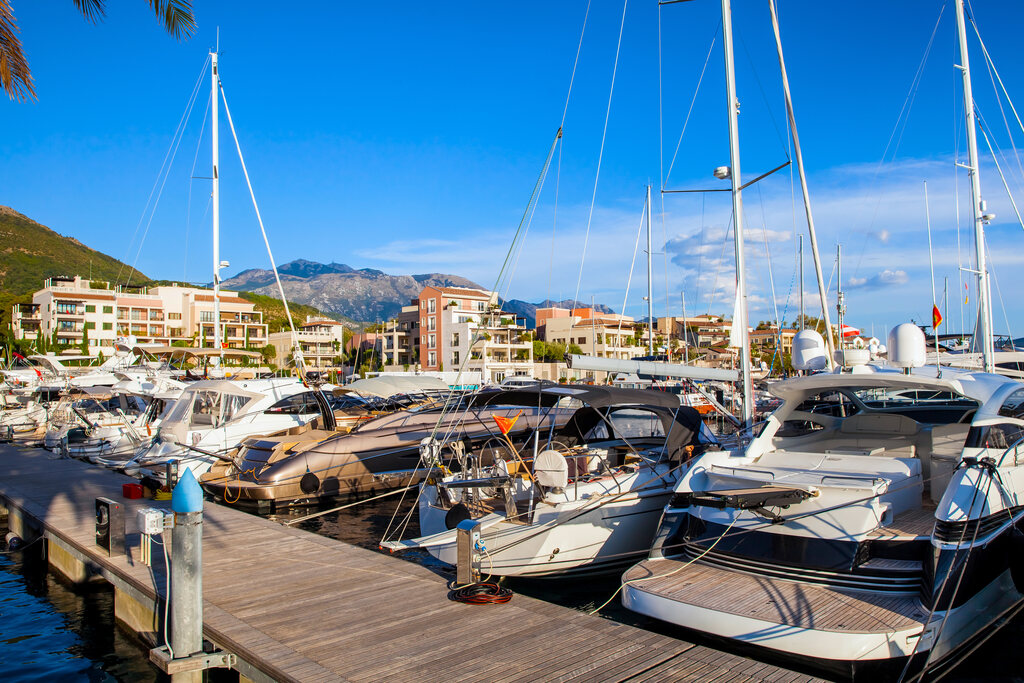
Tivat’s transformation has elevated it into a premium hospitality micro-market. The presence of luxury marina infrastructure has attracted affluent visitors and yacht owners.
Hotels here often align with:
-
High-end boutique positioning
-
Branded luxury management agreements
-
Premium average daily rates (ADR)
While acquisition costs are higher, the clientele profile and branding opportunities can justify elevated valuations.
Types of Hotels Available in Montenegro
Investors will typically encounter several categories:
Boutique Hotels (10–40 rooms)
Character-driven, design-focused properties appealing to upscale travellers.
Mid-Scale Coastal Hotels (30–100 rooms)
Balanced operational models with seasonal revenue spikes.
Resort-Style Complexes
Pool facilities, spa amenities and multi-service offerings.
Apartment-Hotel Hybrids
Units sold or operated under short-term rental models, blending real estate and hospitality income.
Each structure carries a different risk and operational profile. Investor objectives must align with the hotel format selected.
Financial Performance Considerations
Hotel investments are fundamentally performance-driven. Key financial metrics include:
-
Average Daily Rate (ADR)
-
Occupancy percentage
-
Revenue per available room (RevPAR)
-
Gross operating profit margin
-
Seasonal revenue distribution
Montenegro’s tourism model remains seasonal, with peak performance typically between May and September. This seasonality must be factored into annual yield projections.
Well-managed boutique hotels can achieve strong peak occupancy, but investors must ensure adequate cashflow planning for off-season months.
Acquisition Due Diligence
Hotel purchases demand significantly deeper due diligence than residential property.
Critical evaluation areas include:
-
Historical occupancy and revenue data
-
Tax compliance and financial reporting
-
Licensing and hospitality permits
-
Staff contracts and operational liabilities
-
Brand or management agreements
If the hotel is operating, reviewing audited financial statements is essential. If acquiring a distressed or underperforming asset, investors must assess repositioning potential and refurbishment costs.
Development and Value-Add Opportunities
Montenegro’s evolving tourism infrastructure creates opportunities for:
-
Rebranding under international management
-
Refurbishment and repositioning
-
Capacity expansion (where planning permits allow)
-
Conversion of large villas or historic buildings into boutique hotels
Value-add investors may find particularly attractive returns where operational inefficiencies exist.
However, planning permissions and heritage protections must always be verified before redevelopment assumptions are made.
Currency and Capital Structuring
Transactions are conducted in euros. For British investors, exchange rate strategy can materially influence total acquisition cost.
Larger hospitality investments may require:
-
Corporate structuring
-
Local company formation
-
VAT and corporate tax planning
-
Structured financing arrangements
Hotel assets are often purchased via company share transfers rather than simple real estate conveyancing. Legal and financial advisory coordination is therefore essential.
Risk Factors in the Montenegrin Hotel Market
As with any emerging hospitality market, investors must evaluate:
-
Tourism seasonality
-
Economic dependency on external visitor flows
-
Competitive new developments
-
Political and regulatory changes
-
Exit liquidity in the secondary hotel market
Montenegro remains in a growth phase. That offers opportunity, but also demands disciplined underwriting.
Who Should Consider Buying a Hotel in Montenegro?
Hotel acquisitions typically suit:
-
Experienced hospitality operators seeking European expansion.
-
Private investors are diversifying into income-producing assets.
-
Boutique hotel brands targeting Adriatic presence.
-
Developers are pursuing repositioning strategies.
This is not a passive investment. Operational oversight, branding and guest experience directly influence returns.
Apartments and Villas for Sale in Montenegro
For buyers interested in Hotels for Sale in Montenegro as income-producing assets, we also present exclusive opportunities in Apartments for Sale in Montenegro and Villas for Sale in Montenegro, giving investors access to residential, lifestyle and development-driven property options across the country’s prime coastal locations.
Strategic Outlook
Montenegro’s hotel market is transitioning from emerging to established. Continued infrastructure upgrades, expanding marina developments and increasing international connectivity are strengthening its global profile.
Early-to-mid-stage investors who secure well-positioned hospitality assets may benefit from:
-
Revenue growth linked to rising tourism demand
-
Capital appreciation as the market matures
-
Brand value enhancement through repositioning
Hotels for sale in Montenegro represent a calculated entry into a developing Adriatic tourism economy. Success depends not on speculation, but on disciplined financial analysis, operational expertise and long-term strategic vision.
For investors prepared to treat hospitality as both real estate and business, Montenegro offers a market where opportunity and timing remain aligned.